Call: 07971258233
 Send Inquiry
 Send Inquiry
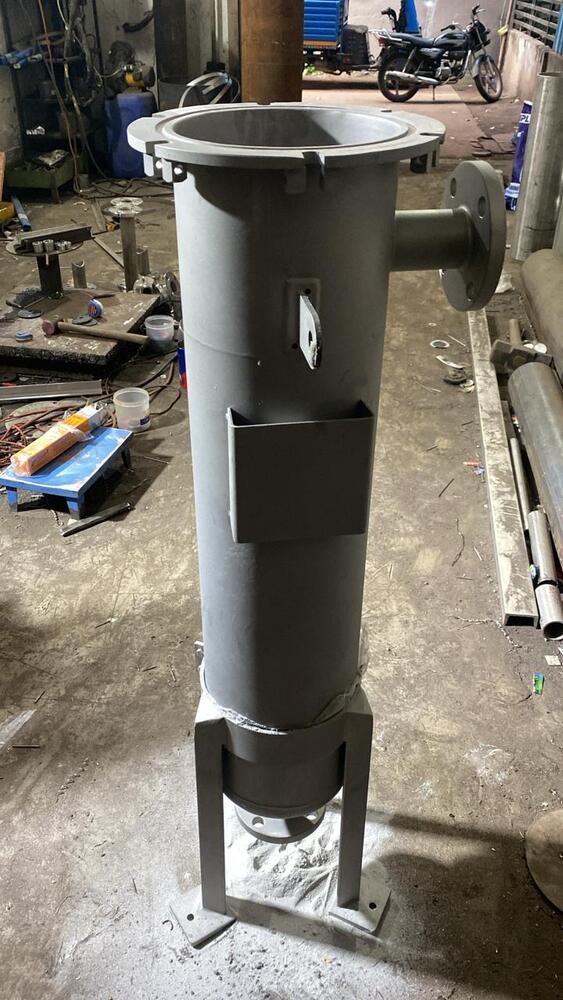
Industrial Bag Filter Housing
Price 17000 INR/ Unit
MOQ : 1 Unit
Industrial Bag Filter Housing Specification
- Diameter
- Range from 4 inch to 24 inch
- Efficiency (%)
- Up to 99%
- Capacity
- Ranges from 20 m3/hr to 750 m3/hr (depending on model)
- Resistance
- Low pressure drop, typically <0.10 bar at rated flow
- Type
- Filter Felt
- Material
- Stainless Steel 304/316, optional Mild Steel with coating
- Thickness
- Shell thickness: 2 mm to 5 mm depending on capacity
- Thermal Shrinkage
- Less than 1% at operating temperature
- Working Temperature
- Up to 120C (depends on material selection)
- Application
- Water filtration, chemical processing, food and beverage, pharmaceuticals, paint, ink, and coatings
- Lid Mechanism
- Swing bolt or quick opening clamp
- No. of Bags
- 1 to 12 (multi-bag design available for higher flow)
- Finish
- Mirror polished (internal and external)
- Surface Treatment
- Pickled and passivated, shot blasted on request
- Bag Size Compatibility
- No.1, No.2 (custom sizes available)
- Inlet/Outlet Connection
- Flanged, threaded or tri-clamp
- Mounting
- Leg stand with floor mounting
- Seal Type
- EPDM, Silicone, Viton gasket
- Vent/Drain Connections
- Standard BSP/NPT threaded ports
- Design Pressure
- Up to 10 bar (standard), higher on request
- Maintenance
- Easy bag replacement, tool-free operation possible
Industrial Bag Filter Housing Trade Information
- Minimum Order Quantity
- 1 Unit
- Payment Terms
- Cash on Delivery (COD), Cash Advance (CA), Cash in Advance (CID)
- Supply Ability
- 1 Unit Per Day
- Delivery Time
- 5 Days
- Sample Policy
- Free samples are available
- Main Domestic Market
- All India
Industrial Bag Filter Housing About
Industrial Bag Filter Housing is a high-efficiency filtration unit designed to remove solid particles and impurities from liquids in various industrial processes. It is widely used in industries like water treatment, chemicals, pharmaceuticals, food & beverages, and paints. The housing is made from high-quality stainless steel (SS 304 / SS 316) or mild steel, ensuring durability, corrosion resistance, and long service life. It is designed to hold filter bags of different micron ratings, allowing precise filtration based on process requirements. The unit features a user-friendly design with a quick opening mechanism, leak-proof sealing, and easy bag replacement, reducing downtime and maintenance effort. It can handle high flow rates and pressure conditions, making it suitable for heavy-duty industrial applications.Durability and Clean Design
Constructed from high-grade stainless steel 304/316 with an option for mild steel coating, this filter housing features mirror polishing both inside and out. Each unit undergoes pickling and passivation, ensuring resistance to corrosion and facilitating hygienic applications in food, beverage, and pharmaceuticals. Optional shot blasting is available for special requirements.
Flexible Bag and Flow Configurations
Accommodating bag sizes No.1, No.2, and custom dimensions, the housing is adaptable for varied flow rates, supporting 1 to 12 bags per vessel. This multi-bag capability makes it suitable for both low- and high-volume filtration, with capacities from 20 up to 750 m3/hr, depending on the selected model.
Versatile Connections and Operations
Choose from flanged, threaded, or tri-clamp inlets and outlets, paired with either swing bolt or quick-opening clamps for the lid. Standard BSP/NPT ports allow easy venting and draining. Maintenance is simplified by design; the filter bags can be replaced without tools, streamlining operational downtime.
FAQ's of Industrial Bag Filter Housing:
Q: How is bag replacement performed, and is any special tooling required?
A: Bag replacement in this filter housing is designed to be quick and simple. Thanks to tool-free lid opening mechanisms like swing bolts or quick-opening clamps, operators can change out filter bags efficiently without any specialized tools, minimizing process downtime.Q: What are the applications for this Industrial Bag Filter Housing?
A: This filter housing is extensively used in water filtration, chemical processing, food and beverage manufacturing, pharmaceuticals, paints, inks, and coatings industries. Its robust and hygienic build enables suitability for sensitive or demanding process environments.Q: When should I choose a multi-bag design over a single-bag filter housing?
A: Opt for a multi-bag design when handling higher flow rates or requiring extended operation time between bag changes. Models with up to 12 bags can handle capacities from 20 to 750 m3/hr, making them ideal for large-scale or continuous filtration needs.Q: Where can the filter housing be installed, and how is it supported?
A: The unit is equipped with a stable leg stand for secure floor mounting, ensuring it's suitable for a wide variety of installation environments-from processing plants to water treatment facilities-while maintaining operational stability.Q: What benefits does the mirror polished finish provide?
A: A mirror polished finish, both internally and externally, enhances cleanability and resists product buildup and bacterial growth, making it especially beneficial for food, beverage, and pharmaceutical applications that demand high hygiene standards.Q: How does the surface treatment improve filter housing performance?
A: Pickling and passivation treatments remove impurities and create a passive oxide layer on the stainless steel, boosting corrosion resistance. Optional shot blasting ensures a uniform matte finish as required by certain industrial applications.Q: What are the gasket seal options, and how are they chosen?
A: Available gasket seals include EPDM, silicone, and Viton, enabling you to match chemical compatibility and temperature resistance with your application. Selection depends on the process fluid and anticipated operating temperature, up to 120C.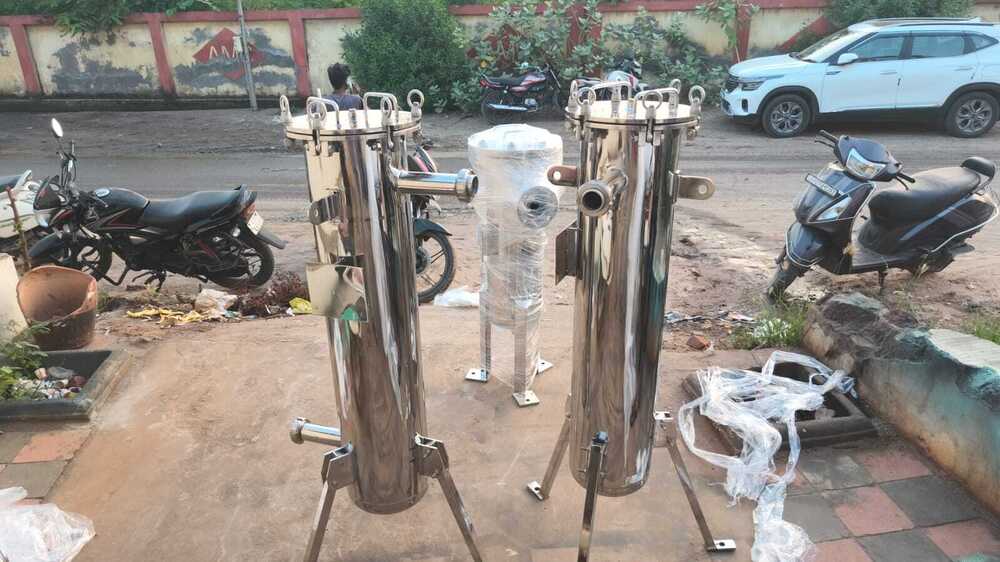
Tell us about your requirement

Price:
Quantity
Select Unit
- 50
- 100
- 200
- 250
- 500
- 1000+
Additional detail
Mobile number
Email

More Products in Industrial Filtration Housings Category
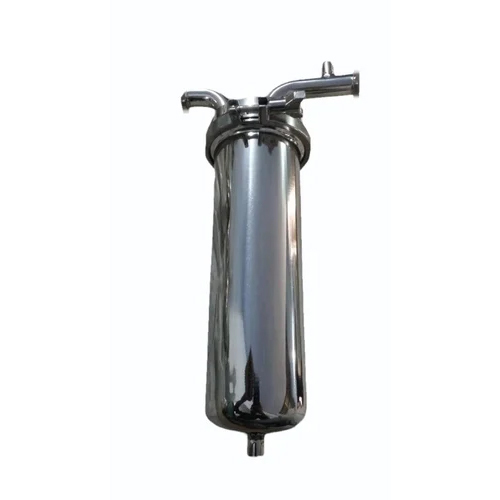
SS Filter Housing
Price 7500 INR / Unit
Minimum Order Quantity : 1 Unit
Application : Water Filter Housing
Size : Different Size
Material : Stainless Steel
Usage : Industrial
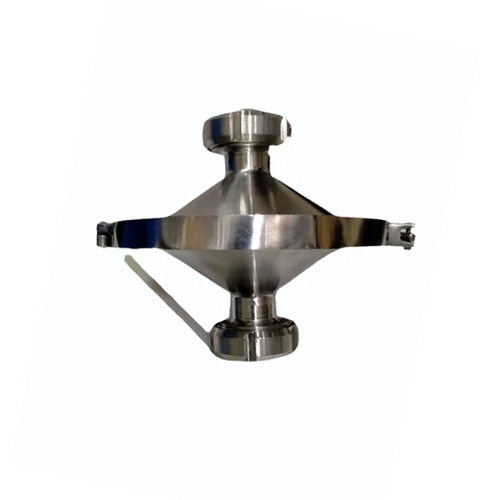
Ss Conical Filter
Price 3000 INR / Unit
Minimum Order Quantity : 1 Unit
Application : Filteration
Size : Different Size
Material : Stainless Steel
Usage : Industrial
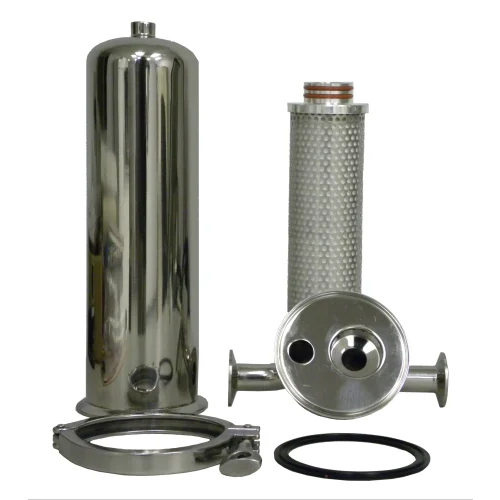
Sterile Air Filter
Price 2500 INR / Unit
Minimum Order Quantity : 1 Unit
Application : Water Treatment
Size : Different Size
Material : Stainless Steel
Usage : Industrial
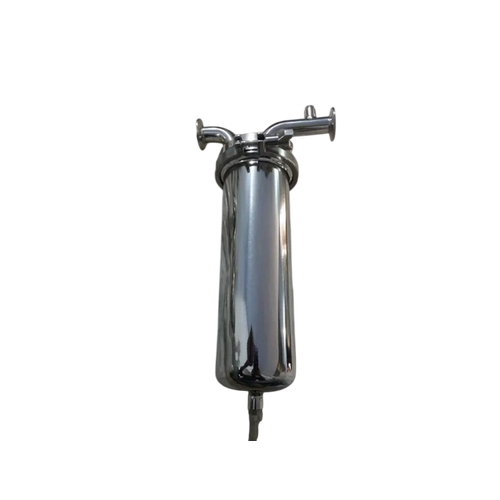
Code 7 Filter Housing
Price 7000 INR / Unit
Minimum Order Quantity : 10 Units
Application : Water Filter
Size : 10"
Material : Stainless Steel
Usage : Industrial

We deal only in bulk quantity orders.
Contact Details
Parth Engineering
GST : 24GTEPS0724J1ZK
- Shop No-B-1, Ramdev Estate, G.I.D.C., Vatva, Phase 4,Ahmedabad - 382445, Gujarat, India
- Phone :07971258233
 Send Inquiry
Developed and Managed by Infocom Network Private Limited.
 English
 Spanish
 French
 German
 Italian
 Chinese (Simplified)
 Japanese
 Korean
 Arabic
 Portuguese